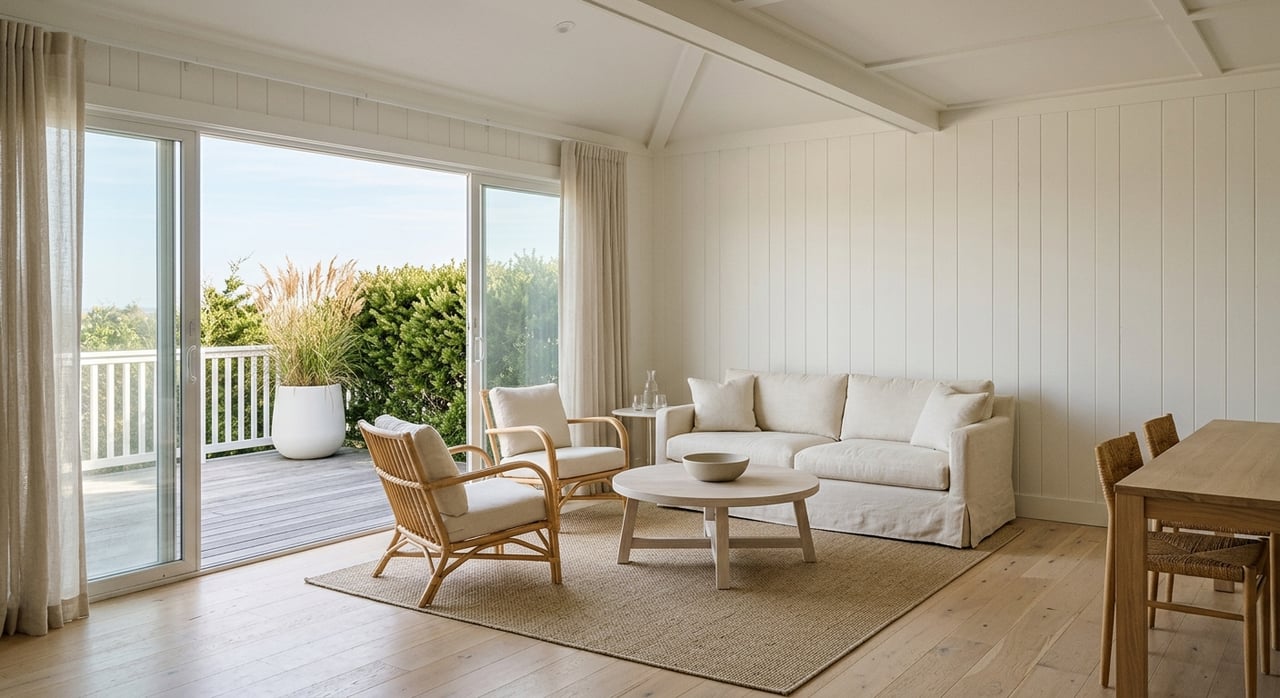
Are you getting ready to list a beach home in Duck and wondering what actually moves the needle? In a small, high-value coastal market, the difference between an average listing and a standout one often comes down to timing, presentation, and how clearly you answer buyers’ biggest questions. If you want to position your property well from day one, this guide will walk you through the strategies that matter most. Let’s dive in.
Why strategy matters in Duck
Duck is not a cookie-cutter market. It is a barrier-island community known for its beaches, maritime forests, wetlands, dunescapes, and the Duck Town Park and Boardwalk at the center of village life. The town also highlights Duck as one of the Top 15 Family-Friendly Beaches in America.
That setting creates real appeal, but it also means buyers are paying close attention to more than bedroom count or square footage. They want to understand how a home fits into the coastal lifestyle, how beach access works, and what makes the property practical as well as attractive.
Market data reinforces the need for a smart plan. Reports from late 2025 and early 2026 show Duck as a premium market with relatively few listings and sales, with median sold prices ranging well above many surrounding areas and average days on market around the mid-80s. The safest takeaway is simple: in Duck, careful pricing and polished presentation matter.
Time your listing with purpose
Spring is a strong starting point
If you have flexibility, spring is a sensible default window for listing. Realtor.com’s 2026 Best Time To Sell report identified April 12 through April 18 as the national best week to list, with homes historically getting 16.7% more views, selling about 9 days faster, and seeing fewer price reductions than the average week.
That does not guarantee the same outcome for every Duck property, but it gives you a useful benchmark. In a market where buyer attention can be selective, getting ahead of the busiest coastal season can help your home meet buyers when interest is ramping up.
Plan around the coastal calendar
Timing in Duck is also shaped by the realities of the Outer Banks. NOAA says Atlantic hurricane season runs from June 1 through November 30, and Dare County advises property owners to know their flood zone, insure the home properly, and keep important records organized.
For sellers, that makes spring and early summer especially practical for pre-listing work. It gives you time to handle repairs, staging, photography, and documentation before peak storm-season risk becomes part of the conversation.
Use seasonal lifestyle to your advantage
Duck’s local calendar also supports a seasonal listing strategy. Lifeguards are on duty from May 1 through October 31, and beach driving is prohibited from March 16 through November 30.
Those details may sound small, but they help shape how buyers picture daily life at the property. Strong listing photos and marketing can capture the beach-home experience early in the season while still presenting the home as a year-round coastal asset.
Focus on presentation first
Start with the rooms buyers notice most
When buyers first see your home online, a few spaces do most of the work. According to the 2025 Profile of Home Staging, buyers’ agents said the living room, primary bedroom, and kitchen were the most important rooms to stage.
That lines up perfectly with how beach-home shoppers browse listings. They want to see where people gather, where they will unwind, and whether the home feels bright, clean, and easy to enjoy.
Prioritize simple, high-impact updates
Staging does not have to mean a full redesign. NAR defines staging as cleaning, decluttering, repairing, depersonalizing, and updating a home so buyers can picture themselves in it.
For a Duck beach home, that usually means:
- Fresh, neutral paint where needed
- Clean windows to maximize natural light
- Uncluttered kitchen and bath counters
- Simple bedding and coordinated textiles
- Tidy storage areas and closets
- Minor repairs completed before photos
These updates help your home look more cared for, more spacious, and easier to imagine as a second home, primary residence, or investment property.
Do not overlook outdoor living
In Duck, exterior spaces are part of the value story. Porches, decks, outdoor seating areas, and other outdoor-living features help buyers connect the home to the beach lifestyle they are looking for.
Before listing, make sure these areas feel clean and usable. Sweep decks, straighten furniture, refresh worn cushions if needed, and remove anything that distracts from the setting.
Invest in visuals that match the price point
Photography is not optional
Buyers often meet your home online before they ever schedule a showing. In the same NAR staging report, buyers’ agents said photos were one of the most important marketing tools, with videos and virtual tours also carrying real weight.
That matters even more in Duck, where many buyers may be comparing homes remotely. If your listing photos feel dark, cluttered, or dated, buyers may move on before they ever ask a question.
Make the home photo-ready before media day
Professional photography works best when the property is fully ready. That means staging should be complete, cleaning should be done, and outdoor spaces should be polished before the camera comes out.
A white-glove listing strategy is not just about putting the home online. It is about making sure every image supports the value you are asking the market to see.
Use virtual staging carefully
If the home is vacant or only lightly furnished, virtual staging can help buyers understand scale and layout. NAR notes that it can be useful, but it can also create disappointment if buyers arrive expecting furnishings that are not actually there.
The best approach is to use virtual staging as a supplement, not a substitute. Your listing should still feel honest, clear, and ready for an in-person visit.
Highlight the details that matter in Duck
Explain beach access clearly
Beach access can be a major selling point in Duck, but it needs to be described accurately. The town states that it does not own or maintain public beach access locations, access is limited to residents, renters, and guests through privately owned or maintained locations, and there are no public beach-access parking areas.
That means buyers will want specifics. If your property benefits from deeded access, HOA access, or especially convenient access, that information should be organized and clearly presented.
Tell the village lifestyle story
Duck offers more than sand and surf. The town highlights the Duck Town Park and Boardwalk, independent businesses, and the broader village experience as part of what makes the area distinctive.
When your home is marketed, those elements can help shape the story. Buyers are often drawn not just to the house itself, but to how easily they can enjoy walks, outdoor time, beach days, and the rhythm of village life.
Be ready for coastal-property questions
In a beach market, buyers often ask practical questions early. Flood zone, flood insurance, storm readiness, and property records can all become part of the decision-making process.
Dare County advises residents to know their flood zone and notes that homeowners policies do not cover flood damage. Having your flood-zone information, insurance history, and records of key improvements organized before listing can help create a smoother process.
Price with discipline
Avoid letting presentation do all the work
A polished listing can attract attention, but it cannot fix an unrealistic price. Recent market snapshots for Duck showed sold-to-list ratios around 96% to 97%, which suggests buyers are engaging, but still paying close attention to value.
That is why pricing and presentation should work together. Your goal is not just to launch beautifully. It is to enter the market at a level that encourages serious interest and supports a stronger negotiating position.
Remember that Duck is a low-sample market
Because Duck is a smaller market, individual listings can have an outsized effect on what buyers see and compare. Broad national headlines do not tell the whole story here.
A strong listing strategy should account for current inventory, recent local sales, days on market trends, and the unique features of your home. In a place like Duck, local context matters.
Build a white-glove listing plan
The most effective Duck listings usually come down to three things: prep, media, and local clarity. Each one supports the others.
A strong pre-listing plan often includes:
- Decluttering and depersonalizing key rooms
- Completing visible minor repairs
- Refreshing paint or finishes where needed
- Polishing decks, porches, and outdoor areas
- Organizing beach access and property records
- Preparing flood-zone and insurance information
- Scheduling professional photos and other media at the right time
That kind of preparation helps your home show well online, answer questions faster, and make a more confident first impression. In a coastal market with premium price points, that is not extra polish. It is part of how value is communicated.
If you are preparing to list a Duck beach home, a tailored strategy can make the process feel far more manageable. With the right timing, presentation, and local guidance, you can position your property to stand out for the reasons that matter most. When you are ready for a customized listing plan, connect with Lynn Bulman.
FAQs
What is the best time to list a beach home in Duck, NC?
- Spring is a strong starting point for a Duck listing, and national 2026 data pointed to mid-April as a particularly strong week for seller activity.
What rooms matter most when staging a Duck beach home?
- The living room, primary bedroom, and kitchen are the top spaces to prioritize because they are some of the most important rooms for buyers viewing listings.
What buyer questions should Duck home sellers prepare for?
- Buyers often ask about beach access, flood zone, flood insurance, storm readiness, and the condition or history of major property improvements.
Why is beach access important when listing a Duck property?
- Beach access matters because Duck does not have public beach-access parking areas, and access is generally through privately owned or maintained locations for residents, renters, and guests.
Does professional staging help a Duck home sell?
- Staging can help buyers picture themselves in the property, improve how the home shows in photos, and may support a faster sale or stronger offers.
