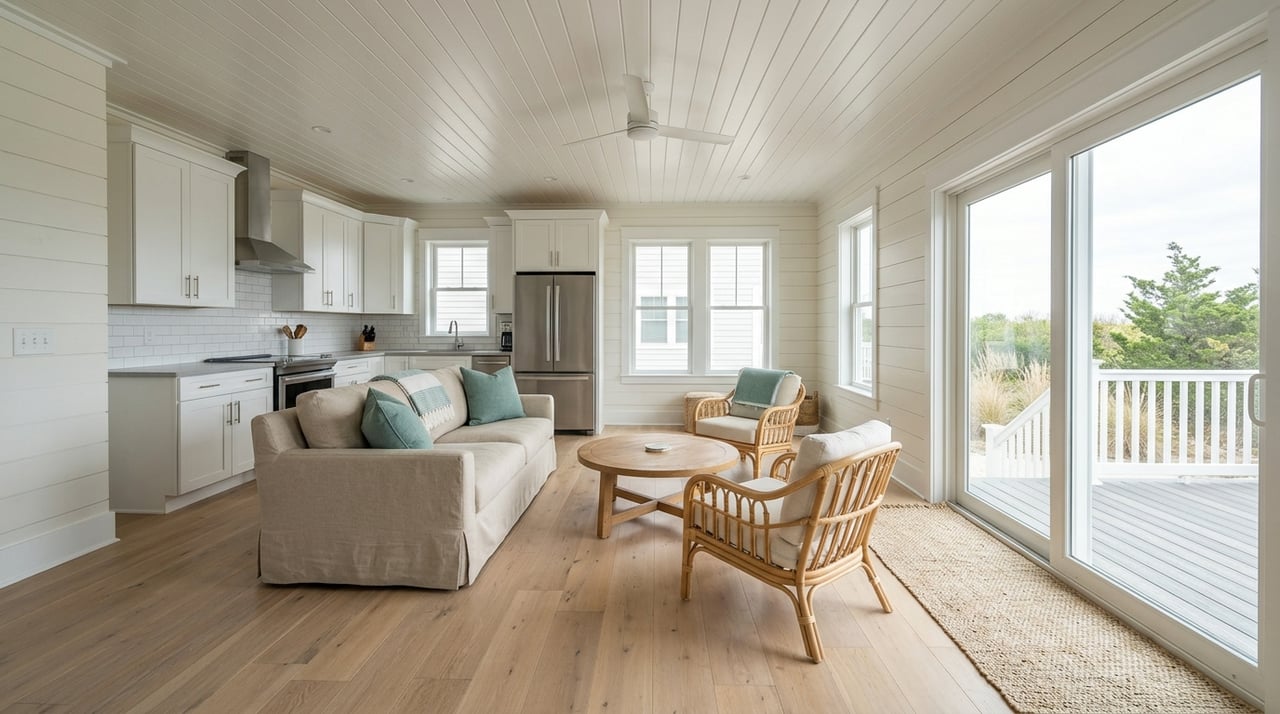
If you are selling a vacation rental in Duck, pricing it right is only half the job. In a market where buyers are weighing both lifestyle and return potential, your home needs a number that makes sense and a story that feels credible. The good news is that with the right prep, you can position your property to stand out for the reasons that matter most. Let’s dive in.
Duck market conditions matter
Duck is a premium Outer Banks market, but that does not mean buyers will ignore value. According to Redfin’s Duck housing market data, the median sale price was $1.01M in February 2026, homes spent a median of 103 days on market, and the average sale-to-list ratio was 94.8%.
That combination tells you something important. Buyers are still active, but they are selective, and overpricing can cost you time and leverage. Zillow’s Duck market snapshot also reported a median list price of $1,058,317 and 39 active listings as of March 31, 2026, which means your property is likely to be compared closely against other available options.
Duck also benefits from the broader tourism engine of Dare County. The Outer Banks Visitors Bureau reports that visitor spending in Dare County topped $2.1 billion in 2024 and supported 12,260 jobs. For many buyers, that supports the case for owning a property that can serve as both a personal retreat and a vacation rental asset.
Price with two buyers in mind
The strongest pricing strategy for a Duck vacation rental usually speaks to two audiences at once. One buyer may be focused on the home as a coastal getaway, while another is studying it as an income-producing property.
That is why pricing should start with comparable sales, then be tested against rental performance and ownership costs. According to Fannie Mae appraisal guidance, the sales comparison approach looks at comparable sales, contract sales, and listings, while the income approach considers the rent or income the property can reasonably generate.
In plain terms, your asking price should reflect current market evidence, not just what you hope the home is worth. Buyers, appraisers, and lenders are looking for support in the numbers.
Start with comparable sales
Comparable sales are the foundation. In Duck, that means reviewing homes with similar location, size, layout, condition, legal characteristics, and external factors such as flood zone.
Condition matters more than many sellers expect. If your home has updated decking, newer systems, or documented improvements, that can support stronger pricing than a similar property with visible wear or deferred maintenance.
Use rental income to support value
For a vacation rental, income still matters, especially to investor-minded buyers. Fannie Mae notes that when the income approach is used, it should be supported by comparable rental and sales data.
That means your gross rental revenue is helpful, but it should not stand alone. Buyers will also look at occupancy patterns, management setup, expenses, and whether the home appears likely to require near-term capital improvements.
Account for taxes and operating costs
Savvy Duck buyers will underwrite the property, not just admire it. Your pricing and marketing should reflect that reality.
The Town of Duck tax rate page lists a FY 2025–2026 town property tax rate of 0.1800, with additional beach nourishment MSD rates for some properties. Dare County’s FY 2025–2026 budget kept the county property tax rate at 26.32 cents per $100 of value, and the county also levies a 6% occupancy tax on gross receipts from short-term rentals, with limited exemptions noted on the same town resource.
These costs affect net income, and buyers know it. If your home has a strong rental history, presenting income alongside realistic ownership costs can make the opportunity feel more transparent and more believable.
Revaluation can shape buyer perception
Dare County’s 2025 revaluation information is also part of the conversation. The county states that assessed values are being aligned more closely with fair market value as of January 1, 2025.
For you as a seller, that means buyers may compare the asking price against the tax assessment and projected carrying costs more closely than before. A well-supported list price helps avoid the appearance that the property is being pushed beyond what the market can justify.
Gather the right documents before listing
A polished listing starts long before the photos go live. In Duck, pre-listing preparation can reduce buyer hesitation and help your property feel like a low-friction purchase.
For vacation rentals, the booking calendar is not a side detail. Under North Carolina’s Vacation Rental Act, sellers must disclose the time periods during which the property is subject to a vacation rental agreement before a contract of sale, and some rental agreements may remain binding after transfer if they end within 180 days after the buyer records their interest.
That makes a clean rental file especially valuable. Before listing, it helps to gather:
- Current and upcoming bookings
- Cancellation history
- Management agreements or key terms
- Prior rental income records
- Operating expense summaries
- Guest-use notes that affect turnover or access
Disclosures and maintenance affect value
Deferred maintenance is not just a repair issue. It can change how buyers price risk.
The North Carolina Real Estate Commission states that a material fact is any fact that could affect a reasonable person’s decision to buy, sell, or lease real property. If your Duck rental has hidden water intrusion, structural wear, or other latent issues, addressing them early or documenting them clearly is a smarter move than letting them surface late in the deal.
Flood and septic records are essential
Duck buyers often ask detailed questions about flood risk, elevation, and site systems. The town provides a Flood Map Information Service with flood-zone information, current and prior FIRMs, base-flood-elevation details, and FEMA elevation certificates for many structures.
The same town resource notes that most Duck homes use on-site septic systems. Because of that, septic permits, maintenance records, and any related capacity questions can be important to both second-home buyers and investors.
A strong pre-list packet may include:
- Flood-zone documents
- Elevation certificate, if available
- Septic permit and service records
- Permit history for decks, additions, or shoreline work
- Maintenance and improvement records
- Insurance and utility details, if relevant to buyer review
Position the home around real guest experience
The best marketing for a Duck vacation rental does not rely on generic beach-house language. It connects your property to the real experience of staying in Duck.
According to the Town of Duck brochure, the town offers an 11-acre park, a boardwalk that runs nearly a mile, and a six-mile trail through town, along with kayak and canoe launch access and frequent free community events. These amenities can strengthen a listing narrative because they support the kind of stay many guests are looking for.
If your property offers convenient access to the boardwalk, trail system, village area, sound views, pool space, or updated outdoor living, those features should be front and center. They help buyers picture repeat use, stronger guest appeal, and better marketing potential.
Be clear about access and logistics
Good positioning also means being honest about practical details. The same Town of Duck brochure notes that Duck has no municipally owned beach accesses or soundside beaches, that community accesses exist in most subdivisions, and that street-side parking is prohibited on state roads and most private roads.
That information should not be glossed over. Clear communication about beach access, parking, and neighborhood logistics helps set accurate expectations and builds trust with serious buyers.
Time your sale with less friction
Timing can influence how smoothly your listing comes to market. In a vacation-rental sale, buyers are often evaluating both in-season income and the practical realities of turnover, repairs, and weather exposure.
The Town of Duck brochure states that hurricane season runs from June 1 through November 30. If you plan to list during the shoulder season or while bookings are active, it helps to have repairs, disclosures, and permits organized in advance so the home feels turnkey rather than uncertain.
That preparation can make your property easier to show, easier to underwrite, and easier to negotiate. In a market where buyers have choices, reducing friction is part of the pricing strategy.
Why positioning matters as much as price
A Duck vacation rental is rarely bought on numbers alone. Buyers want to feel confident in the asset, but they also want to understand the experience the home can offer to them, their guests, or both.
When pricing is grounded in comparable sales, supported by realistic rental performance, and backed by strong documentation, your property enters the market with a more credible story. That is often what helps a premium listing attract serious attention instead of sitting while buyers wait for a price cut.
If you are thinking about selling and want a tailored strategy for your Duck rental, Lynn Bulman can help you evaluate value, prepare the right documentation, and position your property for today’s Outer Banks buyer.
FAQs
What is the best way to price a Duck NC vacation rental for sale?
- Start with comparable sales, then test that number against rental income, property condition, flood-zone factors, and current ownership costs.
What documents should you gather before listing a vacation rental in Duck NC?
- Gather rental agreements, booking calendars, income and expense records, flood documents, elevation certificates if available, septic records, permits, and maintenance history.
Why do buyers care about rental history when buying a Duck NC vacation rental?
- Buyers want to verify income patterns, understand future bookings, and review any rental agreements that may affect use of the property after closing.
How do taxes affect pricing for a Duck NC vacation rental sale?
- Property taxes, any applicable MSD charges, and the 6% Dare County occupancy tax can affect net income, which is why buyers often factor them into value.
What features help position a Duck NC vacation rental more effectively?
- Features like boardwalk or trail access, water views, pools, updated outdoor living areas, and clear guest-friendly logistics can strengthen buyer appeal when presented accurately.
